When someone’s been hurt—whether in a bike crash, motorcycle collision, construction incident, or sports-related accident—one of the first questions clients ask is: “Does it matter whether I was wearing protective gear?” It’s a fair question.
A personal injury is often painful, frightening, and sometimes life-altering, and people understandably worry about whether something they did—or didn’t do—will hurt their legal claim. It’s important to pause and recognize the emotional weight behind this issue.
Accidents shake confidence, create financial pressure, and leave people wondering what happens next. If you’re facing those questions, you’re not alone, and you deserve clarity, compassion, and straightforward guidance.
That’s where my firm, the Law Office of Jack M. Shapiro, P.C., comes in. I help people throughout Illinois, including Buffalo Grove, Arlington Heights, DuPage County, Lake County, Mount Prospect, Palatine, Vernon Hills, Mundelein, Cook County, Hoffman Estates, McHenry County, Northbrook, Schaumburg, and Wheeling.
My goal is to support injured clients by breaking down how protective gear factors into injury claims and how you can still pursue compensation even when the situation isn’t perfect. Reach out to my firm to speak to an experienced personal injury lawyer to discuss your rights and options.
Why Does Protective Gear Get So Much Attention?
People often assume that wearing protective gear automatically strengthens a claim, while not wearing it automatically weakens it. While protective equipment can matter, the law doesn’t treat it as a simple yes-or-no factor.
Personal injury claims focus on fault, causation, and measurable harm—not on the idea that everyone must use every possible piece of safety equipment at all times. That said, insurance companies sometimes try to use the issue to lessen payouts, so it’s helpful to understand how these arguments unfold.
Protective gear—like helmets, pads, reflective clothing, or protective eyewear—can significantly reduce injuries. But the question in a legal claim isn’t whether gear could have reduced injuries in a hypothetical scenario. It’s whether your personal injury was caused by someone else’s negligence and whether you could recover compensation for the harm you actually suffered.
How Does Illinois Law Treat Protective Gear Choices?
Illinois uses a modified comparative negligence system. This means your compensation may be reduced if you’re found partially at fault for your personal injury. Protective gear sometimes becomes part of that discussion, but only in specific ways.
Comparative negligence looks at whether your actions contributed to the extent of your personal injury. However, Illinois courts don’t automatically assign blame to an injured person for not using protective gear. The question is whether your choice was unreasonable under the circumstances and whether it directly contributed to the severity of the injury.
For example, not wearing a helmet while riding a bicycle might lead insurers to argue that head injuries would’ve been less severe with one. But they still must prove the injury was worsened because of that choice. They can’t simply point to the absence of a helmet and call it negligence.
Types of Protective Gear That Often Come Up In Claims
Different accidents involve different kinds of protective equipment. Some are mandated by law; others are strongly recommended but optional. Here are examples that commonly come up after injuries.
Motorcycle and Bicycle Helmets
Helmets significantly reduce head injury risks, but Illinois doesn’t require adult motorcyclists or bicyclists to wear helmets. This becomes important because a claim shouldn’t be reduced based solely on choosing not to use optional equipment.
Construction and Worksite Protective Gear
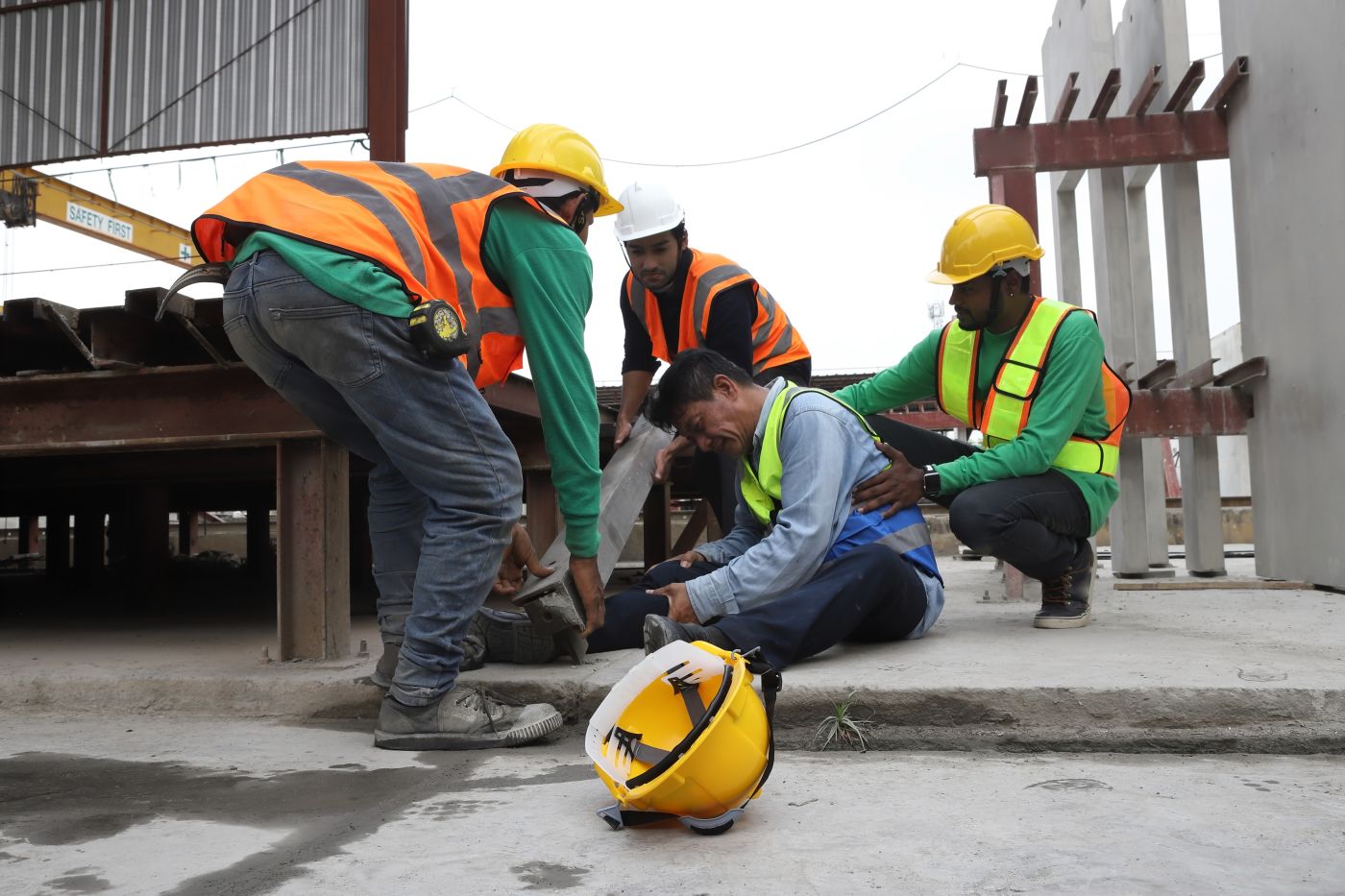
On worksites, employers often require hard hats, goggles, or steel-toe boots. If your employer didn’t provide proper gear or didn’t train you on its use, that failure can strengthen your claim rather than weaken it.
Sports Protective Gear
In school or recreational sports, protective equipment varies by activity. If faulty, poorly maintained, or improperly fitted gear contributes to an injury, the responsibility may fall on the organization or supervisor rather than the injured person.
When Does Protective Gear Strengthen an Injury Claim?
It’s worth noting that you don’t have to be perfect to pursue compensation. However, wearing proper gear can demonstrate reasonable care. Here are examples of situations where protective gear may support your claim:
You wore a helmet during a bicycle crash, and the other side claims you acted recklessly.
You used reflective clothing while jogging at night, showing you took steps to be visible.
You wore proper protective glasses at a construction site, and an employer still failed to create a safe work environment.
You properly used motorcycle protective clothing, but another driver violated your right-of-way.
You followed sports safety regulations while the facility provided defective equipment.
In all these situations, the underlying point remains the same: taking reasonable steps to protect yourself can help solidify the argument that someone else was responsible for your injuries. That said, these facts don’t decide the claim alone; they’re simply pieces of a larger picture.
When Lack of Protective Gear Becomes an Issue
Sometimes the absence of protective gear becomes part of the discussion, but it’s rarely the decisive factor. Illinois courts look closely at whether the lack of gear directly contributed to the injury’s severity.
Here are some examples of when a lack of protective gear may come up:
A cyclist suffers a head injury while not wearing a helmet, and the insurance company argues the injury would’ve been minor otherwise.
A construction worker doesn’t wear company-issued gloves and suffers a hand injury.
A motorcyclist wears no protective jacket, and road rash injuries become part of the claim.
A sports participant ignores required padding during an organized event.
A pedestrian wore dark clothing at night, and the driver argues that visibility was compromised.
These circumstances don’t automatically reduce compensation. In fact, insurers must demonstrate a direct link between the missing gear and the severity of the injury—not just speculate.
While these arguments can come up, they don’t end the conversation. The broader question remains: Did someone else cause your injury, and can you recover for what actually happened? Often, the answer is yes, even when protective gear wasn’t used.
Situations Where Protective Gear Doesn’t Affect a Claim at All
Not every accident involves protective equipment, and not every case even allows gear to make a difference. Sometimes injuries occur in ways protective gear simply wouldn’t have prevented.
Some examples of injuries where protective gear may make no legal difference include:
A driver runs a red light and hits a pedestrian, causing leg fractures unrelated to any protective clothing.
A delivery worker slips on an unmarked wet floor, suffering back injuries.
A cyclist is sideswiped, sustaining arm fractures that no helmet could’ve prevented.
A construction worker is struck by falling materials in an area without proper overhead protection.
A motor vehicle passenger is injured due to another driver’s speeding.
These examples highlight a crucial point: protective gear doesn’t magically erase someone else’s negligence, and it doesn’t erase your right to compensation.
In these situations, arguments about protective gear often fade quickly because they aren’t connected to the actual injuries. The focus stays where it belongs: on who caused the accident and what your personal injury is worth.
Speak to a Personal Injury Lawyer for Guidance
Protective gear can matter in injury claims, but it’s rarely the deciding factor, and it never erases someone else’s wrongdoing. If you’ve been injured in Buffalo Grove, Arlington Heights, DuPage County, Lake County, Mount Prospect, Palatine, Vernon Hills, Mundelein, Cook County, Hoffman Estates, McHenry County, Northbrook, Schaumburg, Wheeling, or anywhere else in Illinois, the Law Office of Jack M. Shapiro, P.C. is here to help.
I’ll explain how protective gear may affect your case, defend you against unfair arguments, and pursue your compensation. Reach out to my personal injury law firm today to discuss your options and take the first step toward protecting your rights.