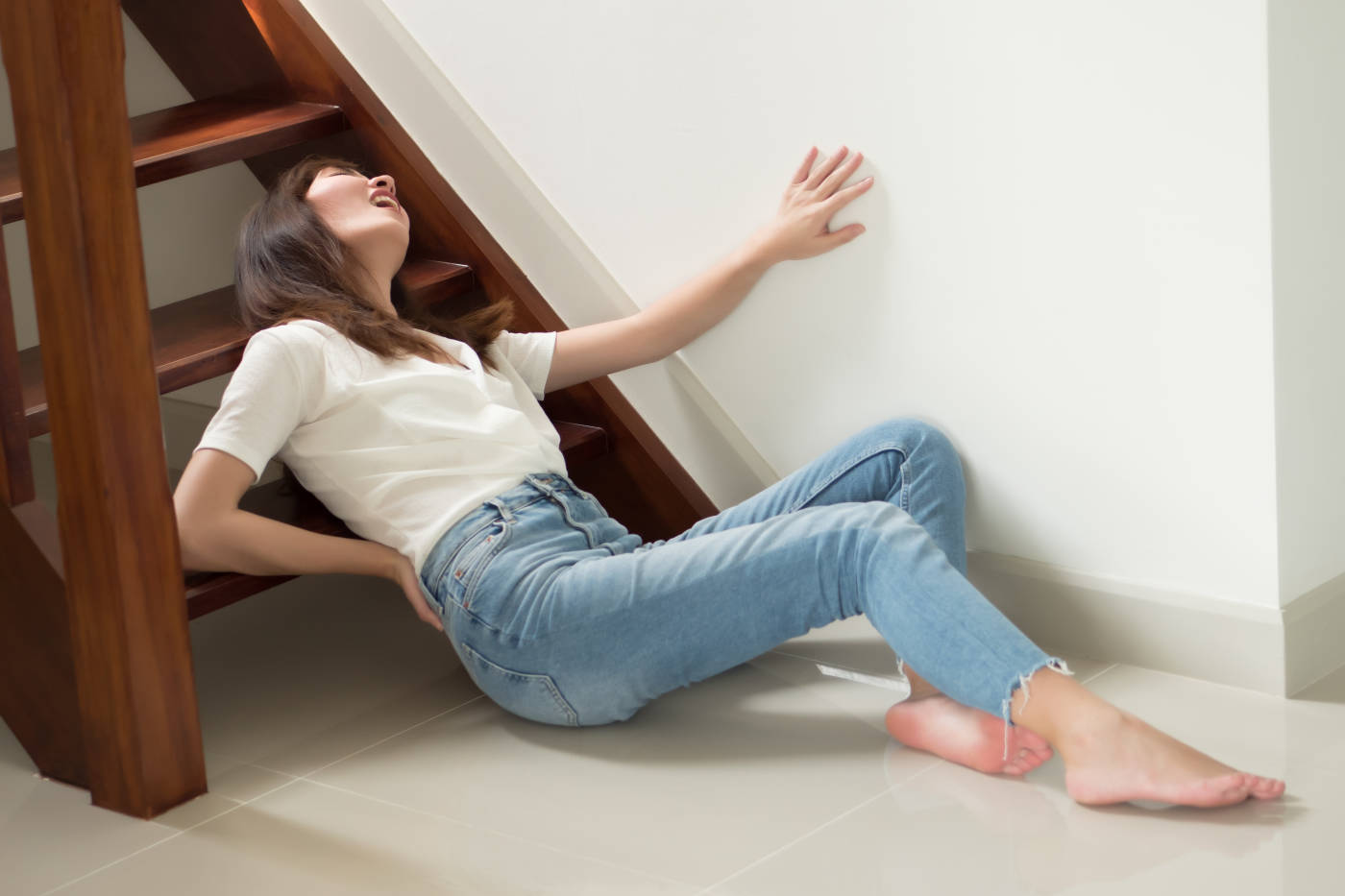
A fall can catch anyone off guard. One moment you’re walking normally, and the next you’re on the ground, wondering what went wrong. The aftermath often brings more than physical pain—it can disrupt routines, limit mobility, and create uncertainty about the future.
Many people blame themselves at first, even when the fall happened, because the property wasn’t kept safe. It’s natural to feel frustrated, overwhelmed, or embarrassed after an injury that came out of nowhere. If you’re struggling with those emotions, you deserve understanding and clear guidance on what steps to take next.
That’s why, at the Law Office of Jack M. Shapiro, P.C., I work with injured people throughout Illinois, including Buffalo Grove, Arlington Heights, DuPage County, Lake County, Mount Prospect, Palatine, Vernon Hills, Mundelein, Cook County, Hoffman Estates, McHenry County, Northbrook, Schaumburg, and Wheeling.
My goal as an experienced premises liability attorney is to help clients understand when property owners may be legally responsible for fall injuries and what options are available for pursuing compensation. Reach out to me if you’ve been hurt and want to better understand your rights.
Why Is Premises Liability So Crucial?
Most people don’t think about property safety until something goes wrong. We assume grocery stores will clean spills, landlords will repair broken stairs, and businesses will remove ice from entryways.
When these obligations are ignored, hazards can build up quickly—and falls often follow. These aren’t simply “accidents.” Many are preventable injuries caused by someone failing to take basic precautions.
Holding property owners accountable isn’t just about compensation; it’s about safety. If a property isn’t maintained, anyone—children, older adults, workers, customers, or visitors—could get hurt. Illinois law recognizes that property owners have responsibilities precisely because the consequences of ignoring hazards can be serious.
What Does the Law Require From Property Owners?
Premises liability law focuses on reasonable maintenance and care. Property owners don’t need to eliminate every possible risk, but they do need to take practical steps to keep spaces safe for visitors.
Reasonable upkeep involves inspecting the property, repairing dangerous conditions, providing warnings, and taking action promptly when issues arise. The expectation is straightforward: if a property owner knows about a hazard—or should’ve known—they must address it.
Illinois’ comparative negligence rule can also come into play. If someone claims you played a small part in the fall, your compensation could be reduced. But that doesn’t erase the property owner’s responsibility to fix hazards they knew about.
Common Problems That Lead to Falls
Fall injuries can happen in many different ways, especially when dangerous property conditions are left unaddressed. These issues often increase the likelihood of someone getting hurt.
Hazards involving slippery surfaces: Rainwater near entrances, icy walkways, spilled food or drinks, freshly mopped floors, and leaking coolers can all create unsafe footing.
Hazards involving uneven or obstructed areas: Loose mats, cracked pavement, curled carpets, misplaced boxes, broken tiles, and cluttered aisles frequently cause people to lose their balance.
Hazards involving structural issues: Damaged steps, shaky railings, sagging decks, and malfunctioning ramps put visitors at risk of serious falls.
These hazards may seem small at first glance, but they can lead to significant injuries when ignored. If any of these conditions played a role in your fall, you may have grounds to pursue compensation.
When Might Property Conditions Strengthen an Injury Claim?
When someone falls because a property owner ignored a safety issue, those conditions can significantly support a compensation claim. The key question becomes whether the hazard should’ve been fixed sooner.
Here are some of the hazardous conditions where a claim might be strengthened because of them:
A store employee walked past a spill several times without cleaning it.
A sidewalk outside an apartment complex remained icy long after other areas were cleared.
A row of overhead lights in a parking garage stayed burned out for weeks, making tripping hazards harder to see.
A business used mats that curled at the edges but didn’t replace or secure them.
A landlord delayed repairing a loose stair despite receiving earlier complaints.
These situations highlight moments where a property owner had the chance to address a danger but didn’t. When that failure results in someone getting hurt, it provides strong support for a premises liability claim.
When Property Owners Try to Avoid Responsibility
When someone gets hurt on their property, owners or insurance companies often try to shift the blame away from themselves. These arguments can be discouraging, especially when you know you didn’t cause the fall.
Here are some examples of common defenses property owners use:
Saying they never noticed the hazard and couldn’t have fixed it in time.
Claiming the hazard was obvious and should’ve been avoided.
Arguing you were looking at your phone rather than paying attention.
Insisting that a warning sign was posted even if it wasn’t clearly visible.
Suggesting your shoes, age, or physical condition—not the hazard—caused the fall.
Even when property owners use these defenses, it doesn’t mean they’re right. Their responsibility depends on facts, safety practices, and the condition of the property—not on assumptions about how you behaved.
Situations Where Liability Becomes Easier To Prove
Although many cases require a detailed investigation, some hazards are so obvious and long-standing that premises liability becomes clear from the beginning.
Some of the most common situations where there's strong evidence of premises liability include:
A stairwell railing was known to be loose and had caused earlier accidents.
A restaurant had a history of failing to clean water tracked in from outside after storms.
A commercial building had deep cracks in its walkway that were ignored for months.
A shopping center used temporary floor mats that frequently bunched up and caused recurring complaints.
A landlord didn’t replace hallway lights, creating shadows that hid tripping hazards.
When issues like these have been present for a long time, it becomes harder for property owners to argue they didn’t know about them. In these cases, the emphasis is on long-term neglect rather than a sudden, unavoidable hazard. That distinction often strengthens a claim significantly.
Frequently Asked Questions About Premises Liability
Premises liability can feel confusing, especially when you're dealing with pain, medical bills, and uncertainty after a fall or other injury. Many people have similar concerns about how property owner responsibility works and what steps they can take after getting hurt.
Here are a few common questions that may help you better understand the process.
Do I need to prove the property owner knew about the hazard? You generally need to show the owner either knew about the danger or should’ve known about it through regular inspections or maintenance. Evidence such as photos, witness statements, or maintenance records can help support this.
Can I still pursue compensation if I was partially at fault? Yes. Illinois uses a comparative negligence system, which means you can still recover compensation as long as you’re not more than 50% responsible for the incident, according to the Illinois Department of Insurance. Your compensation may be reduced proportionally, but your claim doesn’t disappear.
What should I do right after a fall? Report the incident, take photos of the hazard, gather witness names, save the shoes you were wearing, and seek medical attention. These steps help document what happened and protect your health.
How long do I have to file a premises liability claim? In Illinois, the statute of limitations for most injury claims is two years from the date of the incident, as reported by the Illinois General Assembly. Waiting too long can make it harder to pursue compensation, so it’s best to get guidance as soon as possible.
Premises liability claims can feel overwhelming, but you don’t have to sort through the details alone. If you’ve been hurt because a property wasn’t kept safe, reaching out for guidance can help you understand your rights and what steps to take next.
Reach Out to a Lawyer After a Fall Caused by Unsafe Conditions
If you’ve been hurt in Buffalo Grove, Arlington Heights, DuPage County, Lake County, Mount Prospect, Palatine, Vernon Hills, Mundelein, Cook County, Hoffman Estates, McHenry County, Northbrook, Schaumburg, or Wheeling, The Law Office of Jack M. Shapiro, P.C. is ready to help.
I can explain your rights, review what went wrong, and help you pursue your compensation. Reach out to my firm today to discuss your options and take the next step toward protecting your well-being.