Blind spot accidents are a serious concern on Illinois roads, especially when cars and trucks share lanes. These collisions can lead to severe injuries, property damage, and long-term financial stress for those involved. Even a small miscalculation in a vehicle’s blind spot can have major consequences.
Accidents caused by blind spots often leave victims feeling frustrated, anxious, and unsure of what steps to take next. Many drivers aren’t aware of how much of their surroundings they can’t see, and even careful motorists can misjudge the distance or speed of another vehicle.
In some cases, drivers may feel guilty, while victims are left dealing with medical bills, missed work, and insurance hurdles. These situations can be overwhelming, but you don’t have to handle them alone. Working with an accident lawyer can help you hold negligent drivers accountable and recover the compensation you need.
At the Law Office of Jack M. Shapiro, P.C., I help clients throughout Arlington Heights, DuPage County, Lake County, Mount Prospect, Palatine, Vernon Hills, Mundelein, Cook County, Hoffman Estates, McHenry County, Northbrook, Schaumburg, Wheeling, Buffalo Grove, and surrounding communities. Contact me if you or a loved one has been injured in a blind spot accident.
Driver Negligence
One of the leading causes of blind spot accidents is driver negligence. Drivers often underestimate the size of their vehicle or fail to check their mirrors and surroundings before changing lanes. Even minor distractions, like adjusting a radio or checking a phone, can make it impossible to detect another vehicle in a blind spot.
Many drivers assume they have more time or space than they actually do, which can lead to sudden and dangerous lane changes. In other cases, overconfidence in their driving ability can cause them to ignore basic safety checks, putting everyone on the road at risk.
Some common examples of driver negligence include:
Failure to signal: Changing lanes without signaling prevents other drivers from anticipating a vehicle’s movement, which can lead to collisions in blind spots.
Distracted driving: Using a phone, eating, or attending to other distractions can divert attention from the road, leaving blind spots unchecked.
Aggressive driving: Tailgating or weaving between lanes increases the risk of collisions in blind spots, especially on highways where trucks and cars travel at high speeds.
Poor mirror use: Not adjusting mirrors properly reduces the driver’s ability to see adjacent lanes, particularly when merging or passing.
Negligent actions like these are often at the center of blind spot accidents. An accident lawyer can help victims gather evidence, interview witnesses, and pursue compensation for medical bills, lost wages, and property damage. Even if the at-fault driver denies responsibility, legal support increases the likelihood that justice will be served.
Vehicle Size and Design
The design of vehicles, particularly trucks and SUVs, plays a significant role in blind spot accidents. Larger vehicles have larger blind spots, and their limited visibility can make merging or changing lanes extremely dangerous. Even smaller cars can have design flaws that limit side and rear visibility, making them vulnerable in traffic.
Some design-related factors include:
High passenger vehicles: SUVs and vans can block smaller vehicles in adjacent lanes, leaving drivers unable to see what’s beside them.
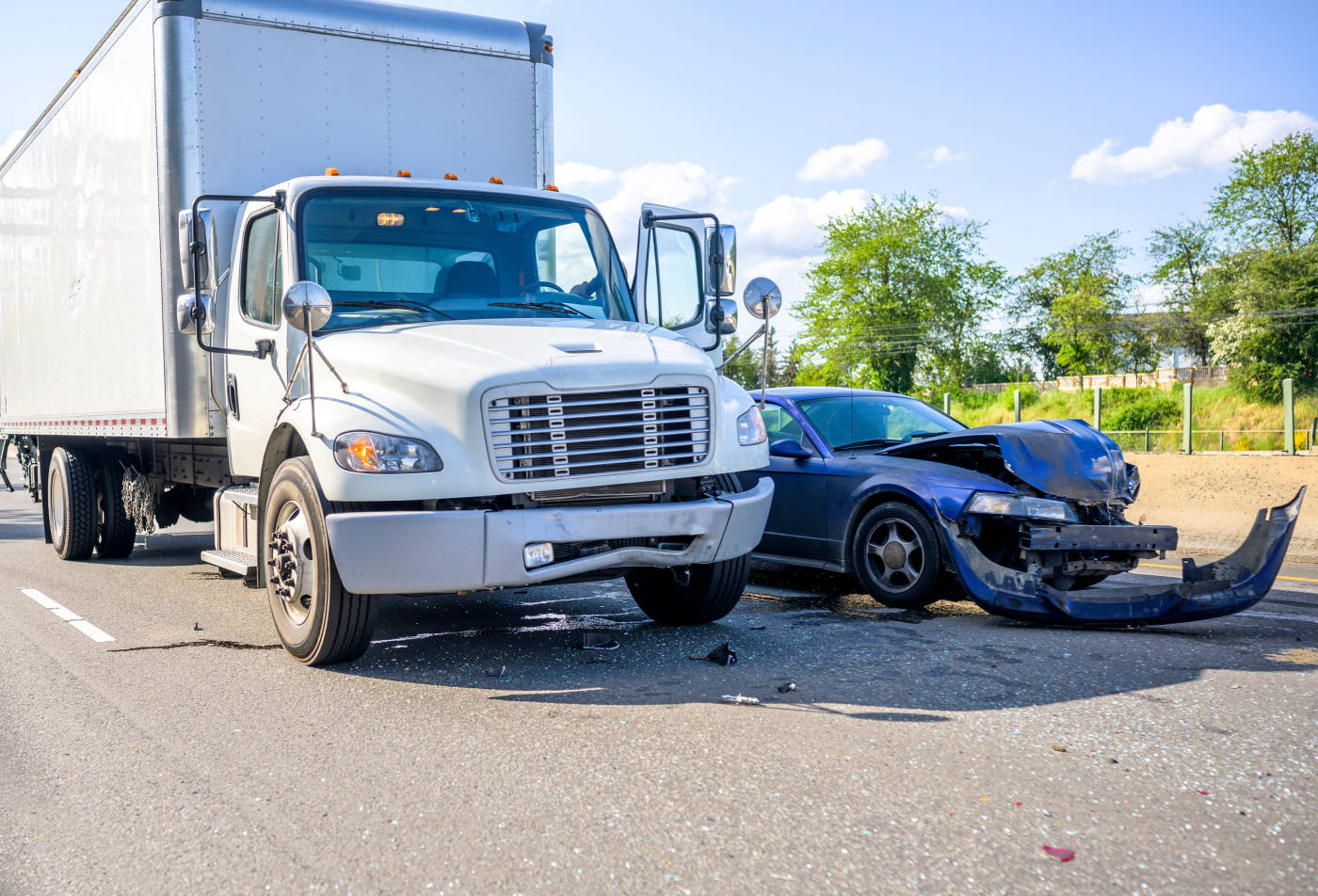
Trucks with trailers: The size and length of semi-trucks increase blind spots, especially on the right side, creating dangerous conditions for cars trying to pass.
Poor rear visibility: Cars without rearview cameras or sensors may leave drivers unaware of vehicles approaching from behind.
Tinted windows: Heavily tinted windows can reduce side visibility, especially in low light or bad weather.
Vehicle design issues make it crucial for all drivers to remain alert. When a collision occurs due to a vehicle’s blind spot, consulting an accident lawyer helps victims determine whether the vehicle's design or maintenance contributed to the accident. This information can be key when filing a claim against the responsible party.
Speed and Lane Changes
Speeding or improper lane changes are frequent contributors to blind spot accidents. When a vehicle moves too quickly or changes lanes without adequate clearance, the risk of collision rises sharply. Lane changes that seem minor to one driver can be invisible to another because of blind spots.
Key behaviors that lead to accidents include:
Sudden lane changes: Moving into another lane without warning can trap vehicles in a blind spot, especially on crowded highways.
Merging at high speeds: Fast-moving vehicles may not be visible until it’s too late to react, particularly when drivers underestimate how long it takes a truck to slow down.
Tailgating: Following too closely reduces reaction time when a vehicle swerves into your lane, leaving little room to maneuver safely.
Overtaking on curves: Passing another vehicle in areas with limited sightlines can create dangerous blind spots and increase the chance of collisions.
Even a small miscalculation in speed or timing can have catastrophic results. An accident lawyer can analyze accident reports, traffic camera footage, and witness statements to determine which driver’s actions caused the collision. Working with legal guidance allows victims to recover damages for injuries, car repairs, and emotional stress.
Weather and Road Conditions
Weather and road conditions can make blind spots even more dangerous. Rain, fog, or snow can reduce visibility and make it harder for drivers to spot vehicles in adjacent lanes. Potholes, debris, or poorly maintained roads can also force drivers to make abrupt maneuvers that put them in another vehicle’s blind spot.
Factors that commonly contribute include:
Rain or snow: Wet conditions reduce traction, increase stopping distances, and make vehicles more prone to skidding into adjacent lanes.
Fog or low light: Limited visibility can prevent drivers from seeing vehicles in blind spots, making collisions more likely during early morning or evening hours.
Icy patches: Sudden skids may cause a vehicle to drift into another lane, catching other drivers off guard.
Construction zones: Lane shifts or narrow passages increase the likelihood of collisions, particularly when drivers misjudge space in blind spots.
Even experienced drivers can struggle in these conditions. When weather or road conditions contribute to an accident, an accident lawyer can investigate whether negligence or unsafe infrastructure played a role in causing the crash.
Protect Your Rights After a Blind Spot Accident With the Help of an Accident Lawyer
Blind spot accidents involving cars and trucks can cause serious injuries, lasting pain, and financial stress for victims. Drivers in Arlington Heights, DuPage County, Lake County, Mount Prospect, Palatine, Vernon Hills, Mundelein, Cook County, Hoffman Estates, McHenry County, Northbrook, Schaumburg, and Wheeling face risks every day on Illinois roads.
By working with an accident lawyer, you can protect your rights and pursue compensation for medical expenses, lost income, and property damage. At the Law Office of Jack M. Shapiro, P.C., I’m dedicated to helping clients throughout Buffalo Grove and nearby communities recover from these challenging accidents.
Whether your case involves driver negligence, impaired driving, or hazardous road conditions, my goal is to guide you with clarity and compassion. I act as your advocate, helping collect evidence, communicate with insurance companies, and fight for the financial support you need. Don’t wait to protect your rights. Contact me today and speak with an accident lawyer who will fight for you and your family.